Orkester Nord · Martin Wåhlberg
AP293 - 1CD - 67' - Aug 26, 2022
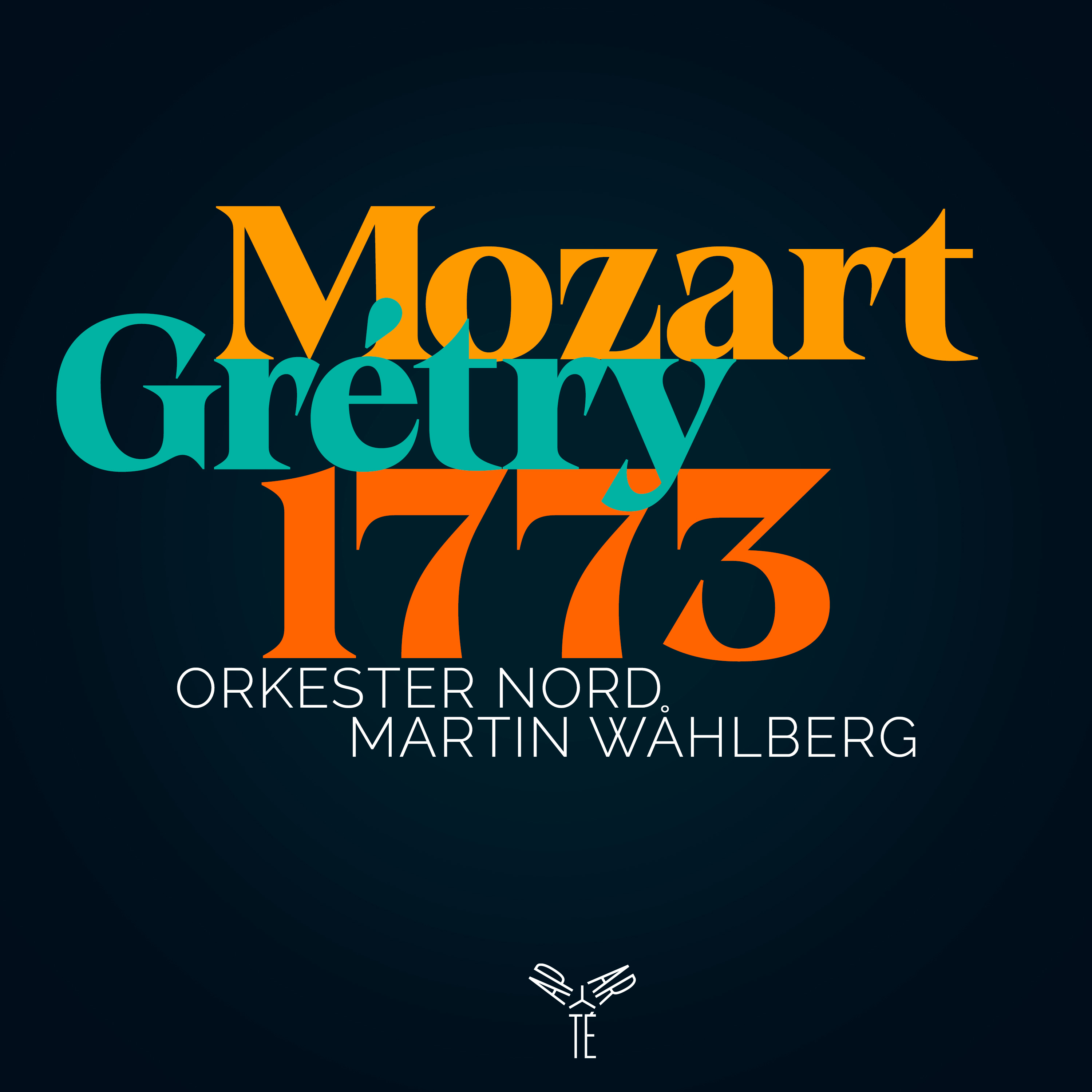
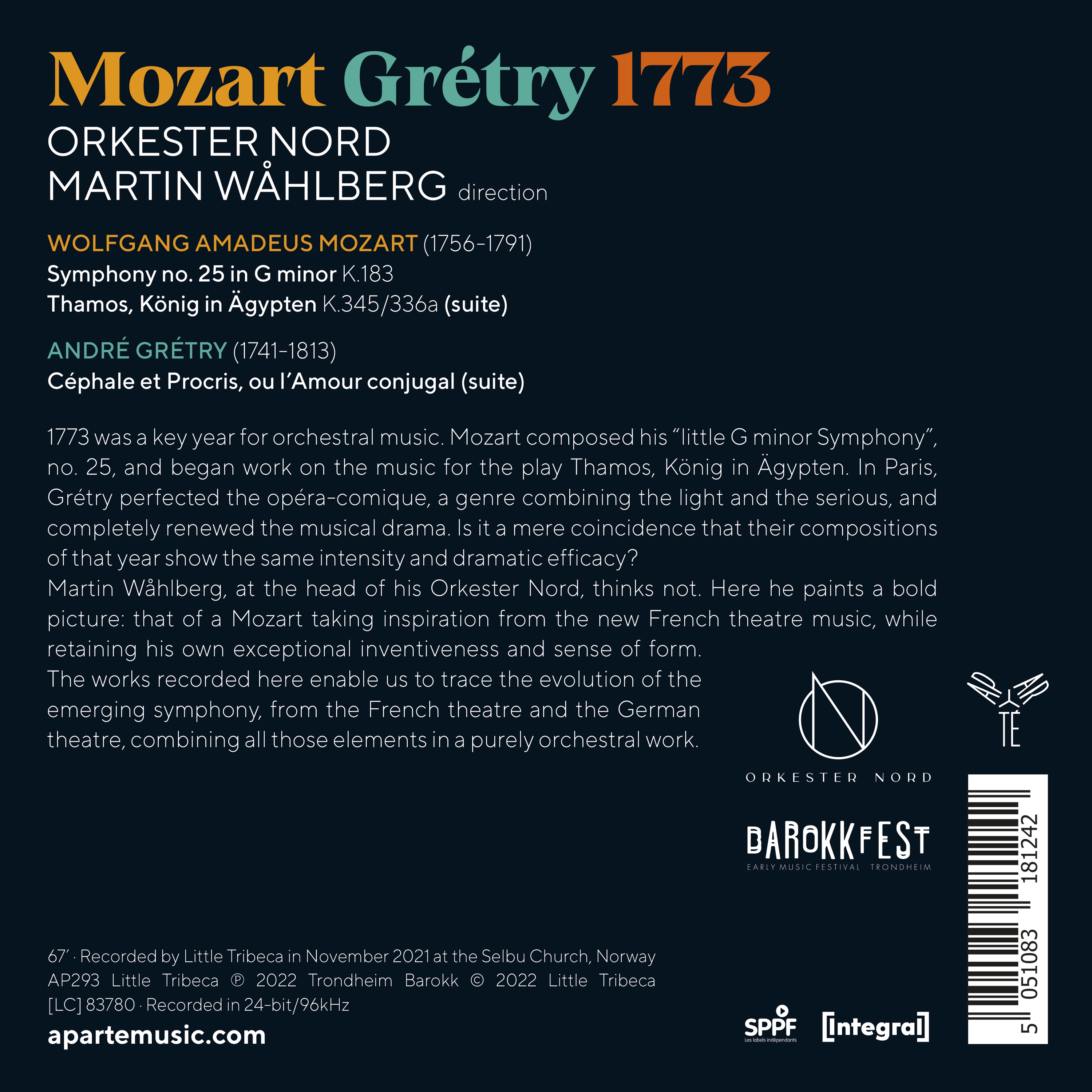
1773 explores a pivotal year in orchestral music. Mozart and Grétry reveal a shared dramatic intensity, which Martin Wåhlberg and the Orkester Nord bring to life in a bold dialogue, tracing the birth of the symphonic genre.
1773 was a key year for orchestral music. Mozart composed his “little G minor Symphony”, no. 25, and began work on the music for the play Thamos, König in Ägypten. In Paris, Grétry perfected the opéra-comique, a genre combining the light and the serious, and completely renewed the musical drama. Is it a mere coincidence that their compositions of that year show the same intensity and dramatic efficacy?
Martin Wåhlberg, at the head of his Orkester Nord, thinks not. Here he paints a bold picture: that of a Mozart taking inspiration from the new French theatre music, while retaining his own exceptional inventiveness and sense of form. The works recorded here enable us to trace the evolution of the emerging symphony, from the French theatre, with instrumental music from Grétry’s Céphale et Procris, to the German theatre, with Mozart’s music for the play Thamos, then the Mozart symphony, with his K.183, combining all of those elements in a purely orchestral work.
WOLFGANG AMADEUS MOZART (1756-1791)
Symphony no. 25 in G minor K.183 (1773)
1. Allegro con brio 9’22
2. Andante 5’05
3. Menuetto – Trio 2’53
4. Allegro 6’26
ANDRÉ GRÉTRY (1741-1813)
Céphale et Procris, ou l’Amour conjugal (Suite, 1773)
5. Ouverture 5’45
6. Ballet des nymphes de Diane - Menuet 3’33
7. Pantomime - Allegretto 1’56
8. Tambourin 2’02
9. Mouvement de lourd 3’37
10. Danse infernale 2’31
11. Larghetto 2’56
12. Chaconne 3’55
WOLFGANG AMADEUS MOZART
Thamos, König in Ägypten K.345/336a (Suite, 1773-80)
13. No.2: Maestoso - Allegro 5’03
14. No.3: Andante 5’30
15. No.4: Allegro 3’08
16. No.5: Allegro vivace assai 3’47

See also
Orkester Nord · Martin Wåhlberg